
Creating a Peaceful Home: How Your Environment Supports Your Healing
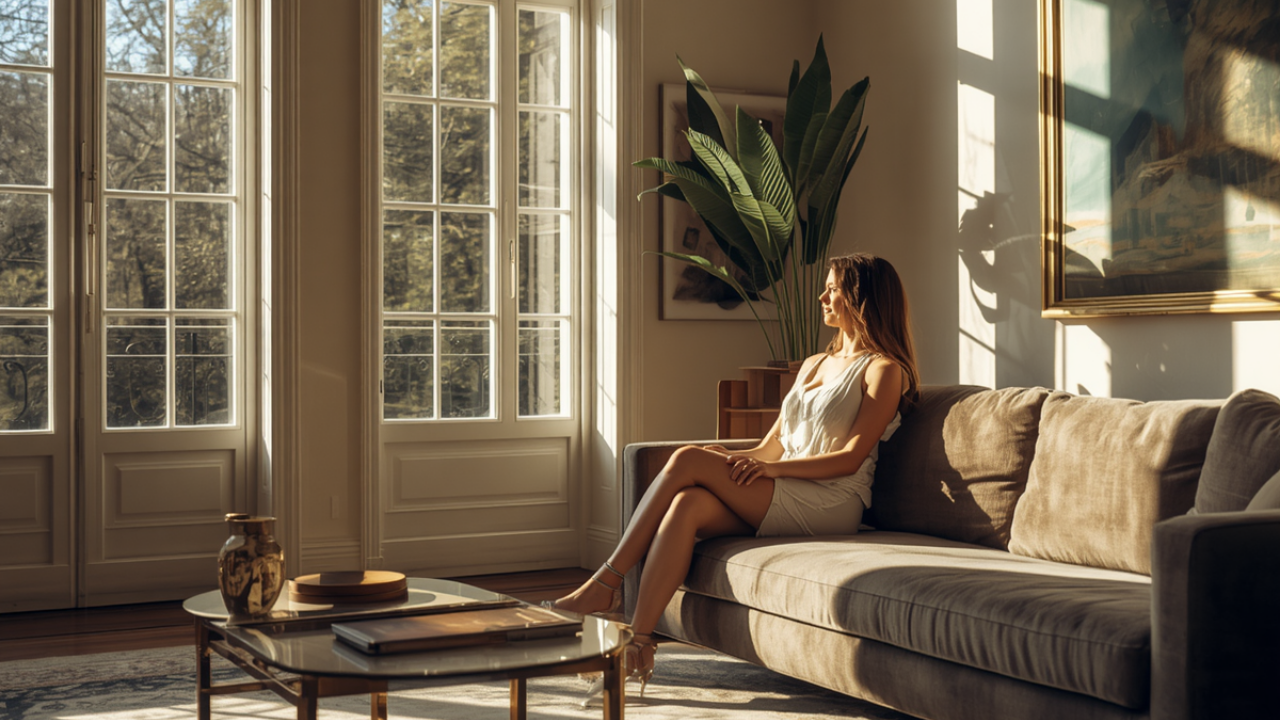
When I picture a peaceful home, I don’t just picture beautiful rooms, thoughtful design, or a perfectly organized space. Those things are all important for sure, but I also picture a feeling.
A feeling of calm.
A feeling of quiet.
A feeling of being able to fully exhale.
A peaceful home is a sanctuary - a place where you can create, rest, nourish yourself, laugh, reflect, and simply be yourself.
Our homes are so much more than the physical spaces where we keep our belongings. They are where we begin and end our days. They are where we sleep, eat, recharge, connect with loved ones, and process the experiences of life. Because of that, our environments can play a meaningful role in supporting our overall wellbeing and healing.
For many of us, creating a peaceful home is about more than decorating a space. It is about creating a place that supports the person we are becoming.
Your Home Can Be a Reflection of Your Healing Journey
For much of my life, home has always been important to me. I have always appreciated creating spaces that feel beautiful, comfortable, and welcoming. But over time, I realized that there is a difference between creating a home and creating a home that truly feels like you.
For many years, I was creating a shared home with another person. I enjoyed the process of designing and making a space beautiful, but I was also blending two different styles, preferences, and visions together. Compromise is a natural part of sharing a home, but as I began healing and rebuilding my own life, I started to recognize the importance of creating a space that reflected my own personality and what truly resonated with me.
This highlighted something I believe is a meaningful part of healing: reconnecting with yourself.
Sometimes we spend years adapting to the needs, preferences, and expectations of others. We may lose touch with what colors we love, what environments make us feel peaceful, or what truly feels like home.
Creating a peaceful home can become an opportunity to ask:
What brings me joy?
What makes me feel calm?
What surroundings help me feel most like myself?
Your home does not need to look like anyone else’s - it simply needs to support you. You do not need permission to create a space that reflects who you are.
A Messy Home Does Not Mean You Are Failing
One of the biggest misconceptions about organization is that a messy home means someone is lazy, irresponsible, or failing.
I don’t believe that is true.
Sometimes a cluttered or overwhelming environment is simply a reflection of what someone has been carrying internally.
When we are overwhelmed, grieving, burned out, depressed, or simply trying to survive a difficult season, we often do not have the mental energy to focus on organizing and maintaining our surroundings. Our attention naturally goes toward getting through the day.
Instead of looking at your environment with criticism, try approaching it with curiosity.
Rather than asking:
“Why can’t I get my life together?”
Try asking:
“What is my environment showing me that I may need support with?”
Your home is not a reflection of your worth.
It is a place that can offer you information, compassion, and an opportunity to care for yourself.
Organization Should Support Your Life, Not Control It
Creating a peaceful home does not mean following a strict set of rules or trying to create a perfectly curated space.
True organization is about creating systems that support the way you naturally live.
Everyone’s needs are different.
Some people feel calmer when their belongings are visible and easy to access. Others prefer items tucked away behind closed doors because visual clutter feels overwhelming. Some people love minimalism, while others feel joy from having meaningful collections and cherished items around them.
There is no single right way to organize. Organization is not about creating a home that looks perfect. It is about creating a home that functions beautifully for the people living inside it.
The best system is the one that works with your personality, your routines, and your daily life - and one that you can realistically maintain.
I do believe that most items benefit from having a “home.” Knowing where things belong creates a sense of order and makes daily routines easier. But organization should also have flexibility and grace. Life is not always perfectly tidy, especially when we share our homes with other people.
A peaceful home is not one where everything is always perfect. It is one where the space supports the people living there.
Your Home Can Support Your Nervous System and Sense of Safety
Because we spend so much time in our homes, our environments naturally influence how we feel.
Our homes are where we rest after stressful days. They are where we nourish our bodies with meals. They are where we reconnect with ourselves and the people we love.
A peaceful environment can help create a sense of stability and safety.
This does not mean that your home needs to be expensive, large, or professionally designed. It means your surroundings should communicate care.
Your home can remind you:
You are allowed to rest.
You are worthy of comfort.
You are creating a place where you belong.
Our environments also reinforce our identity. The colors we choose, the artwork we display, the objects we surround ourselves with, and the way we arrange our spaces all tell a story about who we are.
Your home can become a beautiful reflection of your personality, your values, and the life you want to create.
Creating Your Own Sanctuary
When I imagine my dream home, I imagine a sanctuary.
A place filled with beauty, warmth, nature, and peace. A place where I can create, nourish my body, laugh with someone I love, rest, and enjoy the simple moments of life.
I imagine natural surroundings, beautiful artwork, comforting textures, a kitchen that allows meals to flow easily, and outdoor spaces where I can sit, watch sunsets, and enjoy the peacefulness of nature.
To me, a sanctuary is not about perfection or impressing other people.
It is about creating a place that feels like a refuge.
You can begin creating that feeling today, even if you are not currently living in your dream home.
Small changes can make a meaningful difference:
Bring nature into your space through plants, flowers, or natural elements.
Create comforting sensory experiences through lighting, candles, music, and textures.
Develop simple cleaning and organizing routines that create stability.
Surround yourself with artwork and objects that bring you joy.
Create one small area that feels peaceful and intentional.
Your sanctuary does not have to be created all at once. It can be built slowly, one loving choice at a time.
You Can Begin Creating Peace Wherever You Are
Many of us, including myself, dream of the future home we hope to have someday - the place where everything feels settled, beautiful, and complete.
But creating peace does not have to wait until everything in life falls into place.
The home you create is not only a physical space. It is an expression of the relationship you have with yourself.
Every time you choose beauty over chaos, compassion over criticism, and care over neglect, you are creating a home within yourself as well.
You deserve a space where you can breathe.
A space where you feel safe.
A space that feels like coming home.

Free Home Workbook
Home should be more than the place you return to at the end of the day - it should be the place that helps you breathe a little easier. Create Your Home Sanctuary is a free seven-part guided workbook designed to help you create a home that feels peaceful, supportive, and deeply aligned with the life you're building.