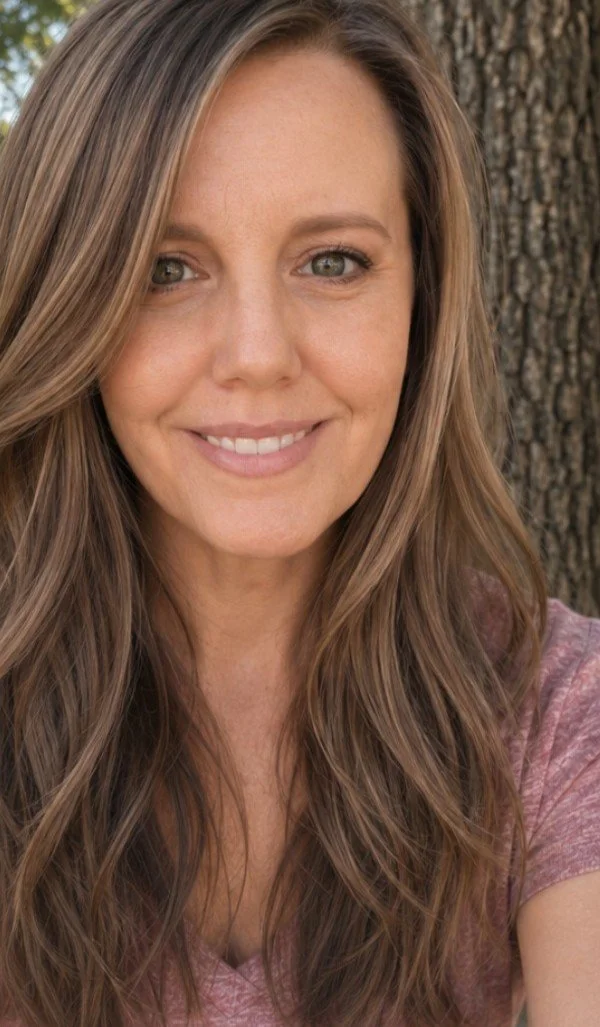
about kealani
You were never meant to spend your life surviving.
If you've been through burnout, chronic stress, health challenges, emotional abuse, or simply feel disconnected from yourself, healing doesn't have to be overwhelming or done alone.
I created Divinely Whole Wellness to help you reconnect to your body, restore your peace, and rebuild a life aligned with who you truly are. Transformation isn’t about becoming someone new, it’s about returning to the person you were always created to be.
I’m Kealani Cerys and I’m so glad you’re here.
(pronounced KAY-ah-LAH-nee KEH-riss)
I’m a holistic health and life coach trained through HMI Wellness®, as well as an interior designer, kitchen designer, and professional organizer. Some may know me by Caroline Leemis, as Kealani is a spiritual name I was gifted in 2025.
My own path into this work began after years of searching for answers to my own health struggles. Digestive issues, constant skin breakouts, fatigue, mental distress, and feeling disconnected from my body led me into years of studying nutrition and holistic health beginning back in 2010.
Throughout my journey though, I realized my health wasn’t only about food, and that there’s a deep connection between physical health and emotional healing. Healing was also about learning to listen to myself, understand my patterns, heal old wounds and traumas, and rebuild a life rooted in peace, authenticity, and purpose.
After walking through painful seasons of burnout, divorce, relationship losses, and personal transformation, I found myself called to help others who were also trying to find their way home to themselves and began creating Divinely Whole Wellness in 2022.
My coaching approach blends functional nutrition, mind-body connection, lifestyle transformation, and compassionate guidance.
My background in interior design and over a decade-long career in that industry has taught me that the spaces we live in shape how we feel and function, and you’ll find my perspective on that throughout my work. Through my experiences, I’ve also realized the most important space we will ever design is the one within ourselves, and in our relationship with Jesus.
Originally from Northwest Arkansas, I now call the Missouri side of the Ozarks home. I offer coaching and consultation services locally and virtually.
If you’re ready to move from survival into wholeness, I would be honored to walk alongside you. Your story isn’t over. Healing is possible. And your next chapter can be intentionally created. 💖
take a peek into some of my healing journey:

What would happen if we allowed love, rather than tradition, culture, or convenience, to guide our choices? In this personal reflection, I explore how my spiritual journey and growing awareness of animals led me to question beliefs I had accepted for most of my life about food, faith, and humanity’s relationship with creation. Through the lens of compassion, stewardship, and the teachings of Jesus, I invite you to examine what you believe, question what you may have inherited, and consider whether your choices truly align with the values in your heart.
Being with the wrong man can affect how you experience your feminine energy, especially when a relationship leaves you carrying too much, questioning yourself, and living in survival mode. When you don't feel safe, supported, or truly partnered, it can become difficult to access softness, receptivity, intuition, playfulness, and emotional openness. But you haven't lost those parts of yourself. This article explores how an unhealthy relationship can disconnect you from your feminine energy and what it can look like to slowly reconnect with yourself again.
We often believe security comes from knowing what will happen next and keeping our circumstances under control. But loss, uncertainty, and starting over can teach us a different kind of security: trusting that we can meet whatever comes, even when life doesn't unfold as planned. Through learning to take one step at a time, focusing on what is actually within our control, and trusting God with what we cannot see, we can begin to build a deeper sense of safety and resilience within ourselves. We don't have to know exactly where we're going to take the next step forward.
For many of us, being the “good girl” means learning early to be agreeable, keep the peace, follow the rules, and take responsibility for everyone else’s feelings. But when being good begins to require us to silence our needs, suppress our emotions, and seek approval at the expense of ourselves, it can become a form of self-abandonment. In this deeply personal reflection, I explore what happened when I began speaking up, setting boundaries, questioning beliefs I had been taught, and learning that other people’s reactions were not proof that I was wrong.
Healthy relationships don't require you to abandon yourself to keep the peace. Learning to recognize people-pleasing, understand resentment as information, set boundaries, receive care, and tolerate other people's disappointment can change the way you experience relationships. This reflection explores the difference between genuine generosity and self-abandonment, why reciprocity matters, and how choosing yourself doesn't mean becoming less compassionate, it means learning that your needs, boundaries, and well-being belong in the relationship, too.
Sometimes the life we worked so hard to build no longer feels like the life we want to live. In this reflection, I explore what happens when achievement, success, and other people's expectations have shaped our identity, and how losing the future we once imagined can create space to discover what actually matters to us. When we stop measuring our worth by what we accomplish or how impressive our lives look from the outside, we can begin creating something deeper: a life that feels peaceful, meaningful, aligned, and truly our own.
Sometimes, the hardest part of healing isn't learning to protect yourself. It's learning that you don't have to stay protected forever. When you've experienced having your vulnerability used against you, opening up again can feel frightening, even long after the person who hurt you is gone. In this reflection, I explore what it has meant for me to rebuild trust, learn the difference between healthy discernment and emotional walls, and recognize the healing that can come from having safe, compassionate people in your life.
For much of my life, I believed I had to be good enough, accomplish enough, and help enough to prove that I was worthy. That belief shaped my relationships, boundaries, and sense of self, often leading me to over-give and put others' needs before my own. Healing meant learning that my worth isn't something I have to earn through achievement, approval, or usefulness. I can still pursue meaningful goals and growth while knowing that I am already enough.
Looking back at who we were years ago can bring up regret, shame, and questions about why we made the choices we did. But what if we could meet our younger selves with compassion instead? Through my personal story, I explore what I would tell the insecure college student I once was about self-worth, trusting your intuition, recognizing unhealthy relationship patterns, and understanding that love should never require you to beg for someone's attention or abandon yourself to keep them.
What if the life you've been working so hard to build isn't the life your heart truly longs for? For years, I believed I had to earn my worth through productivity, achievement, and constantly proving myself to others. Choosing a quieter life didn't mean giving up on my dreams - it meant redefining success, healing the wounds that sought validation, and discovering that true peace begins when we stop striving to be enough and remember that we already are.
Healing after narcissistic abuse or a painful relationship takes more than simply moving on. Before you love again, there is an opportunity to reconnect with yourself, rebuild your self-trust, and create a life rooted in peace and wholeness. In this personal reflection, I share my journey of choosing healing over rushing into another relationship, learning from grief, rediscovering my needs, and understanding why the most important relationship you will ever build is the one you have with yourself.
For many of us, the hardest part of creating an abundant life is not learning how to earn more - it is releasing the guilt that tells us we shouldn't want more in the first place. When we have been taught that our comfort, success, or happiness comes at someone else's expense, we may begin shrinking our dreams to avoid making others uncomfortable. This article explores healing the belief that your success takes away from others and learning that gratitude, generosity, humility, and abundance can all exist together.
For a long time, I believed that leaving my marriage would mean failing God. This reflection explores how fear, religious shame, and misunderstood beliefs kept me stuck far longer than I should have stayed, and how learning to trust God's unconditional love transformed both my faith and my life. If you've ever wondered whether asking honest questions makes you less faithful, this article is an invitation to seek truth with courage, compassion, and peace.
Healing doesn't always happen in dramatic moments. More often, it unfolds quietly - in the choices we make each day to create lives that feel safe, peaceful, and aligned with who we are becoming. Therapy may be one part of the journey, but healing continues in the homes we build, the relationships we nurture, the way we care for our bodies, the confidence we cultivate, and the hope we choose to hold onto.
If you've ever questioned your own thoughts, feelings, or intuition after trauma, difficult relationships, or seasons of deep shame, you are not alone. In this article, I share my own journey of losing and rebuilding self-trust, along with gentle encouragement for reconnecting with your inner voice and taking the first steps toward healing.
Have you ever looked back at the way you reacted during a painful season and wondered, "What happened to me?" If you've carried shame for becoming someone you no longer recognized while living in an unhealthy relationship, you are not alone. I share my own journey of understanding reactive abuse, releasing the weight of shame, and discovering that healing isn't about becoming someone new - it's about finding your way back to the person God created you to be.
For years, I believed being loving meant always saying yes. Being available, keeping the peace, and putting everyone else’s needs before my own. But over time, I learned that constantly abandoning myself was not the same as loving others. Healthy boundaries became a powerful part of my healing journey, teaching me that compassion can include me, too.
Rebuilding your life doesn't begin with becoming stronger, it begins with creating safety. If you've been living in survival mode after trauma, burnout, or difficult relationships, this article explores why nervous system safety is the foundation for healing and how small, intentional steps can help you begin again.
After years of questioning myself and trying to make an unhealthy relationship work, I learned the importance of self-trust, boundaries, and choosing peace. In this deeply personal story, I share what I wish I had known sooner about narcissistic relationships, healing from emotional trauma, and rebuilding a life where you finally feel safe, loved, and whole.