
Creating a Wellness-Focused Kitchen: Designing a Space That Nourishes You
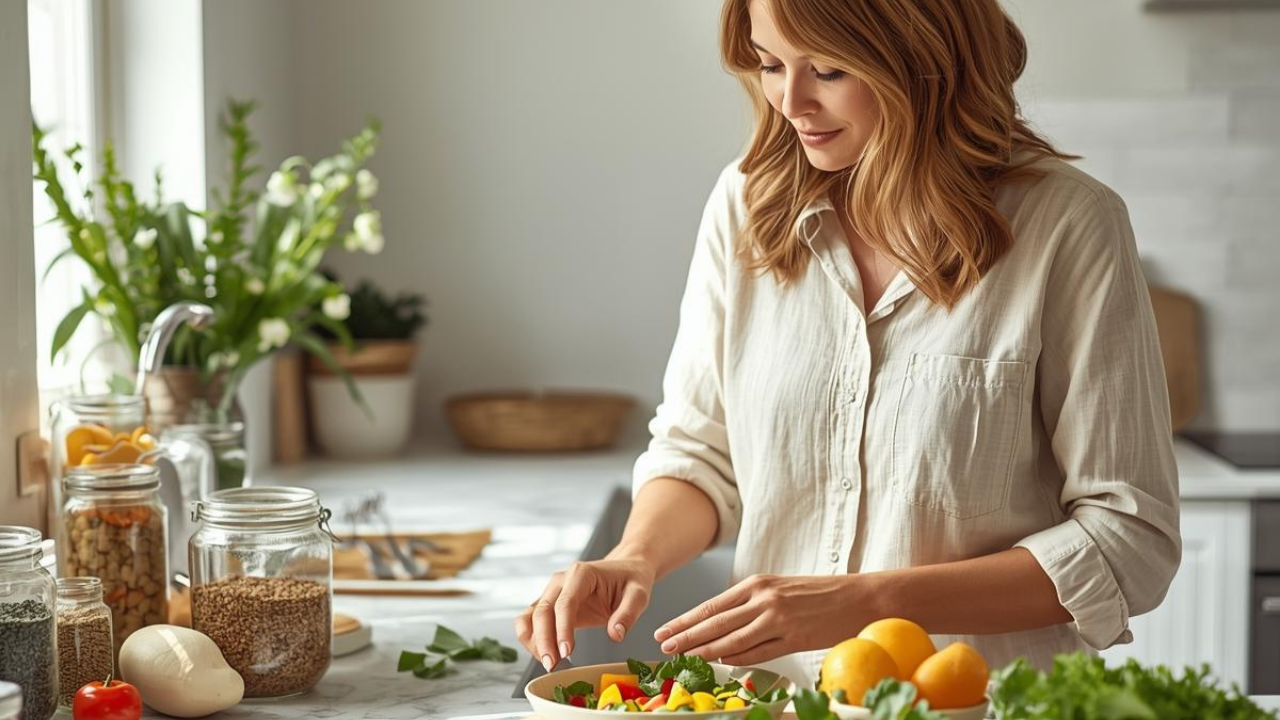
A kitchen is more than just a room where we prepare food. It’s a space where we create routines, care for ourselves and others, and build the foundation for the way we want to live.
With my background in interior design, and more recently specializing in kitchen design and organization, I’ve always been fascinated by the connection between our spaces and our daily habits. A beautifully designed kitchen is wonderful, but the most meaningful kitchens are the ones that support the life happening inside them.
As a plant-based health coach, I’ve learned that creating healthier habits isn’t just about willpower. Our environment plays a huge role in making those habits easier or harder to maintain. When our kitchen is organized, functional, and designed around our routines, healthy choices become more accessible.
Whether someone chooses to eat fully plant-based or simply wants to incorporate more whole foods into their lifestyle, having a kitchen that supports meal preparation can make a significant difference. Fresh produce, smoothies, juices, nourishing meals, and thoughtful preparation all require systems that make them feel simple rather than overwhelming.
And the good news is - you don’t always need a full kitchen renovation to create a space that supports you. Sometimes the biggest transformations come from small changes: reorganizing your pantry, creating better storage systems, adding cabinet organizers, grouping similar items together, or simply clearing out what no longer serves your current lifestyle.
When designing a kitchen with wellness in mind, here are a few areas I would prioritize.
Designing for Your Daily Habits
The best kitchen design starts with understanding how you actually live.
If your goal is to drink more water, make smoothies, prepare nourishing meals, or create a morning tea ritual, your kitchen should make those habits easy to follow.
One feature I would personally love in my own kitchen is a dedicated wellness beverage area - a “drink bar” designed around nourishment rather than indulgence. A space where tea blends, beautiful mugs, the blender, protein shake ingredients, and daily supplements all have a home.
I love the idea of creating a little ritual space that makes healthy habits feel enjoyable and inviting. Maybe it includes a small refrigerator stocked with prepped juices or grab-and-go drinks. Maybe it’s simply a beautifully organized cabinet where everything you need is easy to access.
The goal is to design your environment to remind you of the person you want to be.
Designing for Meal Preparation
A plant-forward lifestyle often involves more preparation: washing produce, chopping vegetables, soaking ingredients, blending, cooking, and storing leftovers.
Having a functional workspace can completely change how enjoyable that process feels.
Adequate countertop space, quality cutting boards, good knives, and an organized prep area can turn meal preparation from a chore into a calming routine.
If I were designing my dream kitchen, I would prioritize a large island with plenty of space to spread out, a sink nearby for washing produce, easy access to knives and tools, and convenient storage for compost and food scraps.
Small details like these can save time and reduce friction, especially on busy days when your energy is limited.
Designing for Optimal Storage
A healthy kitchen needs storage that supports the foods and tools you use regularly.
From pantry staples like beans, grains, nuts, seeds, and flours to fresh produce, frozen fruits and vegetables, meal prep containers, and everyday appliances, everything should have a place.
For me, an ideal kitchen would include dedicated storage for appliances like an Instant Pot, rice cooker, crock pot, and toaster oven so they are accessible without creating clutter.
I would also prioritize a well-organized pantry for staple ingredients, along with extra freezer space for frozen produce, pre-prepared meals, and those evenings when you need something quick and nourishing after a long day.
Having healthy options available doesn’t mean every meal has to be complicated. Sometimes wellness looks like pulling a prepared meal from the freezer and giving yourself an easier night.
Your Home Should Support Your Healing
Our homes have a powerful influence on how we feel and how we care for ourselves.
A kitchen designed around your lifestyle can help reduce stress, support healthier choices, and create space for the routines that matter most.
You don’t need a perfect kitchen or a major renovation to begin. Start with what you have. Create systems that make your daily life easier. Remove what creates frustration. Organize your space around the habits you want to grow.
Your home should not feel like another place where you have to work harder.
It should be a place that supports you.