
From Chaos to Calm: Creating a Home Reset Ritual

There is a kind of exhaustion that comes from feeling as though your home is always waiting for something from you. The dishes need to be washed, the laundry is piling up, and the things you meant to put away yesterday are still sitting on the counter. Meanwhile, another week is approaching, bringing its own appointments, responsibilities, errands, and decisions. Even when the individual tasks are relatively small, seeing them all at once can leave you feeling as though you're already behind before the week has even begun.
Our homes naturally become a little disorganized as we move through everyday life. We cook meals, change clothes, bring groceries inside, open mail, and set things down while we're busy doing something else. The problem isn't that these things happen; it's that the work of putting everything back in order can become overwhelming when there isn't a manageable rhythm for keeping up with it. What should be a place of rest can begin to feel like another responsibility you never quite finish, leaving you aware of everything that needs attention even when you're trying to relax.
Creating a weekly home reset offers a gentler way to approach these responsibilities. Rather than waiting until your home feels completely out of control or spending your entire weekend trying to catch up, you establish a regular time to restore the spaces you use most, take care of essential household tasks, and prepare for the days ahead. The purpose isn't to achieve a spotless house every Sunday. It's to create a home that feels more manageable, functional, and welcoming, giving yourself a calmer starting point for whatever the coming week brings.
Rethinking What It Means to Reset Your Home
A home reset is different from a deep-cleaning day, a major decluttering project, or an attempt to reorganize every room. Those projects have their place, but they require a different kind of time and attention. A reset is about maintaining the systems you already have, returning everyday items to their proper places, and addressing the small things that tend to accumulate when life gets busy. Think of it as a way to restore your home to a comfortable, functional baseline rather than trying to make every space perfect.
Without a regular routine, household responsibilities can become reactive. You might clean the kitchen only when the dishes have become impossible to ignore, spend an entire evening picking up clutter because you're tired of looking at it, or discover that you have nothing clean to wear because laundry has been postponed for several days. These situations aren't necessarily signs that you're doing something wrong, but they can make ordinary life more difficult than it needs to be. When you have a consistent way to address the basics, you're less likely to reach the point where everything feels urgent at once.
A weekly reset gives you a natural opportunity to interrupt that cycle. You can clear the counters, put away misplaced items, catch up on the laundry that needs attention, and look at your schedule before Monday arrives. You don't have to solve every organizational problem or finish every household project in the process. The goal is simply to restore enough order that your home can support you through the week instead of continually reminding you of what remains unfinished.
Choose a Time That Works With Your Life
Sunday is a popular choice for a home reset because it creates a natural transition between one week and the next. Spending a little time tidying the kitchen, reviewing the calendar, and preparing for Monday can help you feel more settled before your responsibilities begin again. However, Sunday isn't automatically the best choice for everyone. If your weekends are busy, your work schedule changes frequently, or you tend to feel exhausted by the end of the week, trying to fit an extensive reset into Sunday may create more stress than it relieves.
Consider when you realistically have the time and energy to care for your home. You might prefer Friday evening, when you can put away the week's clutter before settling into the weekend, or Saturday morning, when you still have time to enjoy the rest of your day afterward. If your schedule is unpredictable, you could establish a flexible weekly reset that happens whenever you have a suitable block of time. Consistency can be helpful, but it shouldn't come at the expense of creating a routine that works with your actual circumstances.
Start with a manageable amount of time, perhaps thirty minutes to an hour, and see what you can reasonably accomplish. Your home, household size, and current level of organization will influence how much time you need, so there is no universal standard to meet. It may also help to create a full version for ordinary weeks and a shorter version for particularly busy ones. When you approach the reset with flexibility, you're more likely to maintain the habit because it can adapt to your life instead of becoming another obligation you feel guilty about missing.
Begin With a Whole-Home Tidy
Before focusing on individual rooms, take a few minutes to walk through your home and notice what has accumulated. You might find dishes in the living room, shoes by the entrance, clothing draped over a chair, or miscellaneous items collecting on the kitchen counter. Start by returning things to their proper places, gathering items that belong in other rooms, and collecting trash and recycling. If you have returns, donations, or belongings that need to leave the house, gather them together so they're ready for the next time you go out.
This first pass can make a noticeable difference without requiring much decision-making. You aren't trying to reorganize your belongings or determine whether every item deserves to stay in your home. You're simply restoring the spaces you already use and making them easier to navigate. When you remove the obvious clutter first, you can often see what actually needs attention more clearly, rather than feeling overwhelmed by everything competing for your attention at once.
Try not to let this part of the reset turn into a larger organizing project. You may notice a crowded drawer, a closet that needs attention, or a collection of paperwork that deserves more than a quick sort. Instead of stopping to tackle every issue, write it down for another day and return to your reset. Deeper organizing requires time to make thoughtful decisions, and trying to fit all of that work into your weekly routine can make even a simple tidy feel exhausting. The purpose here is to restore order, not to solve every household problem in one afternoon.
Give the Kitchen a Fresh Start
The kitchen deserves particular attention during a weekly reset because it influences so much of your everyday routine. Preparing meals, making coffee, packing lunches, and putting away groceries all become more difficult when counters are crowded or the sink is full of dishes. Even if the rest of your home is reasonably tidy, a cluttered kitchen can make the entire space feel unsettled because it's one of the areas you rely on most frequently.
Begin with the tasks that make the kitchen functional again. Put away dishes and appliances, load or unload the dishwasher, wash anything remaining in the sink, and wipe down the counters and other surfaces you use regularly. Clean the sink, take out the trash if needed, and return frequently used items to places where you can reach them easily. You don't need to scrub every cabinet or deep-clean the oven during this reset. Focus on the areas that will make preparing meals and cleaning up afterward easier throughout the week.
Once the kitchen is in order, take a quick look inside the refrigerator. Notice which leftovers need to be eaten, which produce should be used soon, and whether anything has expired. This small habit can help reduce food waste while giving you a better understanding of what you already have available. You can then think about the meals you'll need during the coming week, paying particular attention to evenings when your schedule is full. Perhaps you need a few groceries, a convenient meal for a busy night, or a plan for using ingredients that might otherwise go to waste.
Meal planning doesn't have to mean preparing seven elaborate dinners or spending your entire weekend cooking. Sometimes it simply means having a few dependable options available, keeping basic ingredients on hand, and making one or two decisions before you're tired and hungry. When your kitchen is reasonably clean and you have a general idea of what you'll eat, feeding yourself becomes one less thing to figure out in the middle of a busy day.
Create a Laundry System That Prevents the Endless Pile
Laundry is one of those household responsibilities that can feel never-ending because it never truly disappears. Even when every item is clean and put away, another load will eventually need attention. Without a manageable routine, clothes can move from the hamper to the washer, then to the dryer, and finally into a basket where they remain for several days. The frustration often comes not from washing the clothes themselves, but from the number of steps involved in getting everything finished.
Rather than assuming you need to work harder, consider establishing a laundry rhythm that suits your household. Some people prefer to do a small load most days, while others find it easier to designate one or two days for larger loads. Towels and bedding might have their own designated day, or you may prefer to handle them during your weekly reset. The best approach depends on how much laundry you generate, how many people live in your home, and how much time you can reasonably devote to the task.
Pay attention to where the process tends to stall. If clean clothes remain in the dryer because you forget to switch the load, try choosing a time when you know you'll be available. If laundry baskets stay full because folding feels like too much work, consider whether every item needs to be folded or whether some clothing could be hung or stored in simpler drawers. Overfilled closets and crowded drawers can also make putting clothes away unnecessarily difficult, so reducing excess clothing or making everyday items easier to access may help more than creating another reminder to finish the laundry.
During your weekly reset, gather dirty clothes, complete the loads that need immediate attention, and put away what is already clean. Wash towels or bedding if they're due, and check whether you need more detergent or other supplies. You don't necessarily have to finish every possible load before your reset is complete. What matters is having a realistic plan that keeps laundry moving rather than allowing it to become a constant source of frustration.
Focus on the Places Where Clutter Always Returns
Every home has a few places where clutter seems to accumulate regardless of how often you tidy. The entryway may become a landing place for shoes, coats, keys, and bags, while the kitchen island collects mail and miscellaneous items that don't seem to have another obvious home. In the bedroom, a chair might gradually disappear beneath clothing, or a nightstand may become crowded with things you meant to put away. These recurring trouble spots are worth addressing because they often reveal where your home needs a more practical system.
During your reset, clear these areas and consider why the same items keep gathering there. Are you dropping your keys on the counter because the designated storage spot is too far away? Does paperwork pile up because there isn't a convenient place to sort incoming mail? Do bags and coats end up on furniture because the entryway lacks enough accessible hooks? Sometimes a small adjustment can prevent the same clutter from returning every week. Moving a hook, adding a tray, or creating a designated inbox for paperwork may be more effective than repeatedly telling yourself to be more organized.
It can be tempting to assume that every clutter problem requires another basket or storage container, but more storage isn't always the answer. Sometimes the space contains too many belongings, the existing system is difficult to maintain, or an item simply doesn't have a logical place to live. Pay attention to how you naturally use each area and make adjustments that support those habits. A good organizing system should make the easiest choice the most practical one, allowing you to put things away without having to think through several unnecessary steps.
If a particular area continues to become overwhelming, treat it as information rather than evidence that you're failing to maintain your home. Your current system may not be meeting your needs, and a little thoughtful attention could make a lasting difference. The weekly reset helps you notice these patterns while keeping everyday clutter from becoming so overwhelming that you no longer know where to begin.
Include a Few Minutes of Weekly Planning
Once your home feels more orderly, take a few minutes to look at the week ahead. Reviewing your calendar allows you to anticipate what needs to happen rather than discovering everything as you go. Look at appointments, work commitments, deadlines, errands, and personal plans, and notice which days will be particularly busy. You might need to pick up groceries, prepare something for work, wash a specific outfit, or make time for a household task that cannot wait.
Consider how these commitments will affect the way you use your home. If you have several late evenings coming up, you may want to make sure convenient meals are available. If you're expecting visitors, you can identify the areas that need attention without feeling obligated to clean every room. If the coming week is unusually demanding, you might decide in advance which household tasks can wait until you have more time. Thinking through these details now can help you avoid unnecessary pressure later, particularly when your energy is already being stretched by work or other responsibilities.
This is also an opportunity to be honest about your capacity. Your calendar may reveal that you have very little uncommitted time, even if your mental list of things to accomplish is quite long. Recognizing that early gives you a chance to adjust your expectations instead of carrying the feeling of being behind into every day. You don't have to plan every hour or account for every possibility. A general understanding of what lies ahead, along with a few simple preparations, is often enough to make the week feel more manageable.
As you finish planning, ask yourself what you can do now that will make one of the coming days easier. Perhaps you can prepare tomorrow's lunch, set out what you need for an appointment, or choose an easy dinner for your busiest evening. These small acts of preparation may not seem particularly significant, but they reduce the number of decisions you have to make when you're tired or pressed for time.
Prepare Your Home for the Weekday Version of You
It's easy to approach household tasks as a list of things that need to be completed in the present, but another useful perspective is to consider the person who will be using the space later. Imagine coming home after a long day of work or responsibilities. You want to put down your belongings, make something to eat, change into comfortable clothes, and have a little time to yourself. What would make that experience easier? The answer might be a clear kitchen counter, a comfortable place to sit, a bedroom that feels restful, or simply having your keys and bag ready for the next morning.
These preparations don't need to be elaborate to be worthwhile. You might make the bed with clean sheets, ensure you have clean towels, restock frequently used household supplies, or clear your workspace before the week begins. If you work from home, resetting your desk can make it easier to start the next day without first clearing away the previous day's activities. If mornings tend to feel rushed, setting out what you need the night before may reduce some of that pressure and allow you to begin the day with a little more ease.
Think about the small points of friction that regularly make your mornings and evenings harder. Perhaps you struggle to find something to wear, can't prepare breakfast without clearing the counters, or feel unsettled when you enter a bedroom filled with unfinished tasks. Rather than trying to improve everything at once, choose one or two changes that would make the biggest difference. You don't need to anticipate every possible need or eliminate every inconvenience. You're simply making thoughtful choices now that can help your future self move through ordinary life with less unnecessary effort.
This is one of the ways a well-maintained home can become an expression of care rather than a source of endless work. You're acknowledging that your time and energy matter, and that your environment can either make daily responsibilities harder or help you manage them more comfortably. A few intentional preparations can give you something valuable to return to at the end of a busy day: a home that feels ready to receive you.
When You Only Have Twenty Minutes
Not every week allows for a leisurely home reset. You may have plans, unexpected responsibilities, or very little energy left at the end of the weekend. Instead of abandoning the routine because you can't complete every task, create a shorter version that focuses on the things that make the biggest difference to your daily comfort. Set a timer for twenty minutes and use that time to clear the kitchen sink, put away obvious clutter, start or finish a load of laundry, take out the trash, and give the living room a quick tidy. If time allows, prepare one thing for the following morning or review your calendar.
Choose your priorities based on what is making your home feel most difficult to use. If the kitchen is preventing you from preparing meals, start there. If the bedroom is making it hard to unwind, restore that space first. If you have an early appointment the next morning, preparing for it may be more useful than tidying a room you won't use until later. You don't have to follow the same sequence every week; the point is to direct your limited time toward the tasks that will provide the most immediate benefit.
When the timer ends, give yourself permission to stop. You may still have laundry waiting or a few things that need to be put away, but that doesn't erase the progress you've made. A short reset can reduce visual clutter, make important areas more functional, and give you a clearer starting point for the week. During especially difficult seasons, maintaining a few essential habits is often more sustainable than repeatedly attempting an ambitious routine that leaves you exhausted.
Don't Let Your Reset Become Another Source of Pressure
A routine intended to make life easier can gradually become another standard you feel obligated to meet. You might begin with a reasonable list, notice several other things that need attention, and decide to tackle those as well. Before long, your entire Sunday has disappeared into cleaning, organizing, and preparing, leaving little opportunity to rest or enjoy the day. If your home reset begins to feel like a punishment for having a busy week, it's worth reconsidering what you're asking it to accomplish.
You do not have to earn your rest by completing every household task. You're allowed to relax in a home that still has dishes in the sink, laundry waiting to be folded, or a project that remains unfinished. Not every visible imperfection needs to be corrected immediately, and not every task is urgent simply because you can see it. Give yourself permission to stop once you've addressed the priorities that matter most, and keep a separate list of larger projects you can consider when you genuinely have the time and energy.
It also helps to distinguish routine maintenance from deeper organizing work. Maintenance includes the everyday actions that keep your home functional, such as washing dishes, putting items away, and managing laundry. Deeper organizing involves making decisions about what you own, where things belong, and how your spaces should function. Both are valuable, but trying to accomplish them together every week can make the entire process more demanding than necessary. If the same clutter repeatedly overwhelms your reset, schedule a separate session to address the underlying issue rather than expecting yourself to solve it during your regular routine.
Remember that the purpose of the reset is to support your life outside of housework, too. Your home can be reasonably orderly without being immaculate, and you can care for your surroundings without devoting every spare moment to them. Sometimes the most helpful decision is to simplify the work, leave something for another day, and allow yourself to enjoy the home you've been caring for.
Turn Your Reset Into a Ritual You Can Return To
Once you've found a rhythm that works, your home reset can become a familiar transition between one week and the next. You might open the windows when the weather allows, put on music, make a cup of tea, or move through the house quietly. Perhaps you prefer to begin in the kitchen because a clean sink makes the whole space feel more manageable, or maybe reviewing your calendar first helps you decide how much time you can reasonably devote to household tasks. These small preferences can make the routine feel more personal and less like another item on your to-do list.
Over time, the reset also gives you an opportunity to notice which systems are working and which ones need to change. Perhaps a new place for incoming mail has prevented paperwork from accumulating, or a simpler laundry routine has made it easier to put clothes away. You may discover that clearing the kitchen before bed makes mornings noticeably easier, or that preparing for your busiest day in advance reduces stress throughout the week. Pay attention to these improvements, because they can help you focus your energy on habits that genuinely make a difference rather than maintaining routines simply because you think you should.
Your home and your life will continue to change, and the systems that support you may need to change with them. A routine that worked when you had more free time may not be realistic during a particularly busy season. A room may need a different arrangement when your work or personal responsibilities shift, or you may discover that you no longer need certain belongings or storage solutions. You don't have to preserve a system simply because you once established it. Let your reset evolve alongside you, keeping what works and adjusting what doesn't.
The value of a ritual isn't that it guarantees everything will remain orderly. It's that it gives you a familiar way to return to order when life becomes busy again. Instead of waiting until your home reaches a point that feels overwhelming, you have a regular opportunity to notice what needs attention and respond in manageable steps.
Create a Home That Supports the Life You're Living
A peaceful home isn't necessarily a perfectly organized one. It's a home where you can find what you need, use your spaces comfortably, and rest without feeling as though your surroundings are constantly demanding your attention. Creating that kind of environment rarely requires a dramatic transformation. More often, it grows out of small, consistent acts of care: putting things back where they belong, clearing a surface, finishing a load of laundry, or preparing for a busy day before it arrives.
A weekly reset gives those actions a place in your routine, allowing you to respond to the ordinary messiness of life without treating it as something you must permanently eliminate. Some weeks, you'll have the time and energy to reset the entire house. Other weeks, you may only manage the essentials, and unexpected responsibilities may disrupt even your best preparations. None of that means you've failed. The purpose is not to create a home that never becomes messy, but to develop a manageable way to restore order when you need it.
As you establish your own rhythm, keep returning to one simple question: What would make my home easier to live in this week? Let that answer guide your priorities, whether it means clearing the kitchen, simplifying your laundry routine, preparing for a demanding schedule, or making one small change to a cluttered area. You don't have to do everything at once, and you don't have to turn home organization into a measure of how disciplined or productive you are.
Your home is one part of the life you're building, and caring for it should help you enjoy that life rather than pull you away from it. You deserve a space where everyday responsibilities feel manageable, where rest doesn't have to wait until every task is complete, and where you can settle in without feeling surrounded by an endless list of things to do. Begin with the space you have, the time available to you, and a few small choices that make tomorrow easier than today.
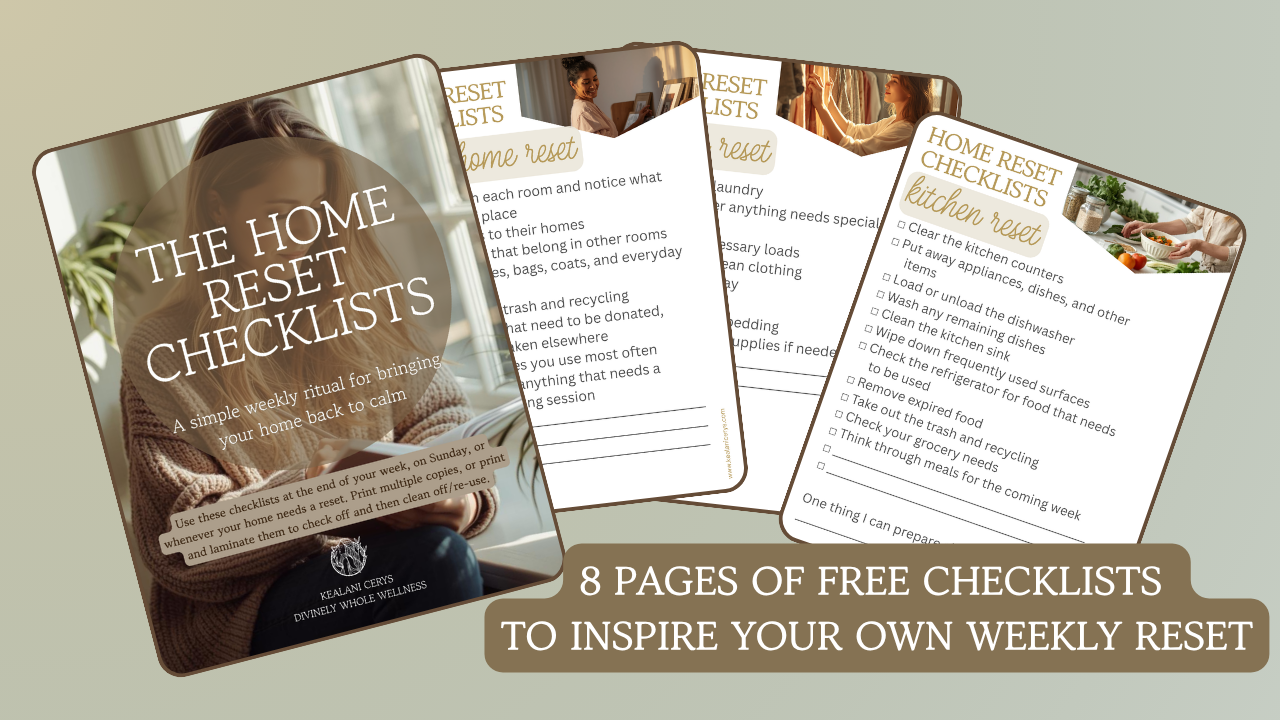
Need a little help with your home reset? Check out my free download with 8 pages of checklists to inspire you to create a calmer and more organized home. Download here.