
Plant-Based Healing: Nourishing Your Body After Years of Stress
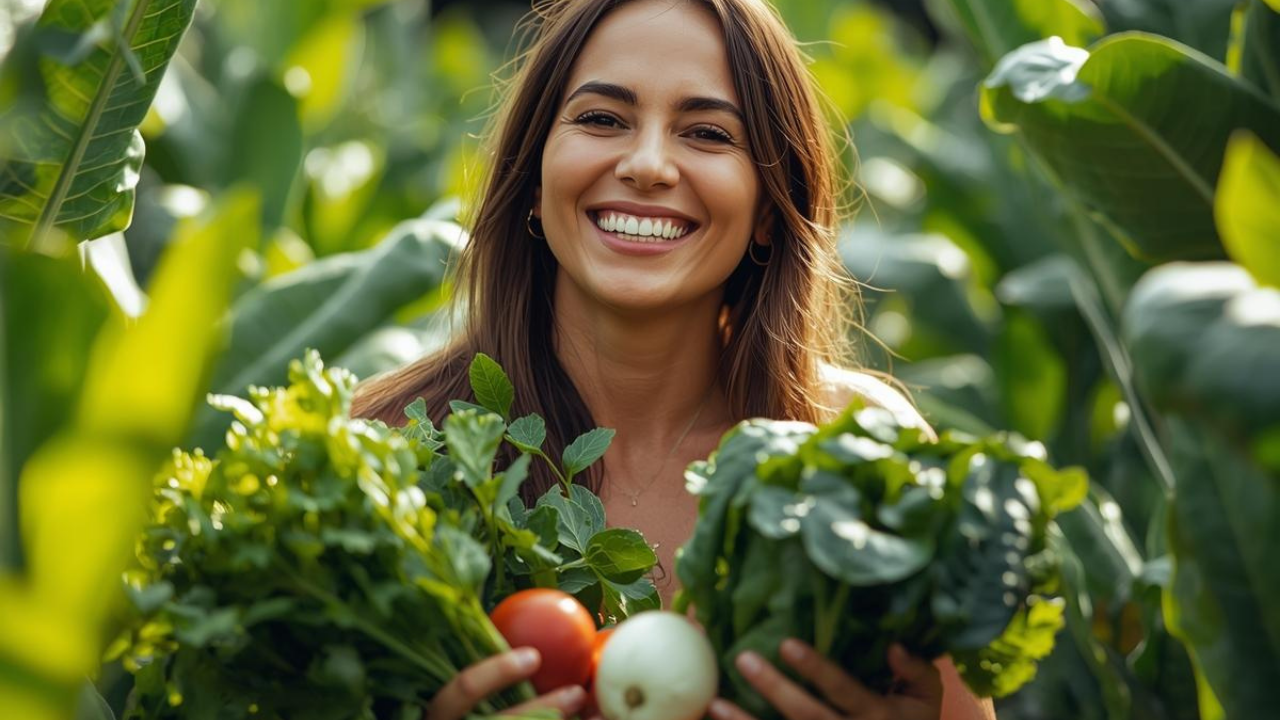
For many of us, taking care of our bodies becomes something we put on the back burner while we are simply trying to survive.
Stress, trauma, burnout, difficult seasons, and major life changes can all affect the way we eat, move, rest, and connect with ourselves. Eventually, we may find ourselves feeling exhausted, disconnected, inflamed, or like we are constantly trying to “fix” our health.
For me, learning about plant-based nutrition became one part of my healing journey.
I have been living a plant-based lifestyle for five years, and throughout that time I have learned that nourishing our bodies is about so much more than just food. It is about creating a relationship with ourselves where we choose care, compassion, and intentionality.
Whether you choose to go fully plant-based or simply add more plants into your daily routine, small changes can create meaningful improvements.
Why add more plants to your diet?
A plant-forward diet focuses on increasing foods like fruits, vegetables, legumes, whole grains, nuts, seeds, and plant-based proteins. Research has shown that diets rich in these foods can support overall health, including heart health, blood sugar balance, digestion, and inflammation levels.
Here are a few reasons many people choose to incorporate more plant-based foods:
More nutrients from whole foods
Plants are naturally rich in vitamins, minerals, fiber, antioxidants, and phytonutrients that support our bodies.
Adding more variety to your plate - different colors of fruits and vegetables, leafy greens, beans, grains, seeds, and nuts - helps provide your body with the nutrients it needs to thrive.
Supporting digestion and reducing inflammation
Many plant foods are naturally high in fiber, which supports a healthy gut microbiome and digestion. A diet centered around whole plant foods may also help reduce inflammation and support overall wellness.
Plant-based protein is possible
One of the most common questions people ask is, “Where do you get your protein?”
The answer is: from plants!
Some of my favorite plant-based protein sources include:
Beans and lentils
Chickpeas and hummus
Tofu and tempeh
Soy milk
Quinoa
Nuts and seeds
Nut butters
Plant-based protein powders
Calcium can also be found in many plant foods, including leafy greens, tofu made with calcium, almonds, sesame seeds, and fortified plant milks.
Supporting your values
For many people, choosing a more plant-based lifestyle is not only about health. It can also connect with personal values, environmental concerns, animal compassion, and financial goals.
Plant-based meals built around foods like beans, rice, potatoes, vegetables, and grains can also be very budget-friendly.
My personal journey with plant-based eating
My decision to move toward a plant-based lifestyle came from a combination of health, personal, and ethical reasons.
After years of eating a diet higher in animal products, I wasn’t experiencing the level of health and energy I wanted. I struggled with fatigue, brain fog, skin issues, and feeling like I was not functioning at my best.
I was already eating many vegetables and trying to make healthier choices, but it wasn’t until I began reducing dairy and meat that I started noticing changes.
It was not an overnight transformation.
I took many small steps along the way before becoming fully vegan. I learned, experimented, made mistakes, and slowly created a way of eating that felt aligned with my body and my values.
For me, plant-based living also became connected to compassion. As someone who deeply loves animals, learning more about animal agriculture changed the way I viewed my food choices.
But more than anything, this journey taught me that caring for ourselves can be a powerful act of healing.
Important things to know when going plant-based
A plant-based diet is not automatically healthy just because it is vegan.
Just like any other way of eating, balance matters.
A nourishing plant-based lifestyle includes:
Prioritizing whole foods when possible
Getting enough protein
Including healthy fats
Eating a variety of foods
Supplementing nutrients like vitamin B12 when needed
It is also completely possible to eat a vegan diet that is mostly processed foods, so focusing on nourishment rather than simply labels is important.
Simple steps to begin today
If you are new to plant-based eating, you do not have to change everything overnight.
Small steps create lasting change.
Here are a few ideas:
Create a recipe binder with plant-based meals you want to try
Experiment with different types of tofu
Try making homemade nut milk
Add a vegetable to every meal for one week
Make one bean-based meal each week
Try three new vegetables
Swap a few of your favorite meals for plant-based versions
Experiment with green smoothies or juices
Try a plant-based dessert recipe
Find local restaurants with plant-based options
Watch a documentary about plant-based living
The goal is not perfection. The goal is to create a relationship with your body where you listen, nourish, and care for yourself.
Even the smallest changes can become powerful acts of healing and compassion.